Buying a Used Nissan Leaf 24 kWh
How to Use LeafSpy, and Why It’s Great Value
Buying an electric car can feel like a leap into the future — especially if you’re doing it on a budget. The used Nissan Leaf 24 kWh has become a favourite among city commuters, and it’s easy to see why. With prices around £2,500, low running costs, and fuss-free charging, it’s a compelling option for anyone wanting to go electric without breaking the bank.

Why the Nissan Leaf 24 kWh Is a Great City Car
For around £2,500, you’re getting one of the most affordable EVs on the used market. What makes the Leaf ideal for urban use?
Practical range: Around 70 miles per charge is plenty for most daily commutes, errands, and short trips.
Low running costs: Electricity is significantly cheaper than petrol or diesel, and home charging is easy with a dedicated EV charger.
Cheap road tax: Just £25 per year keeps your fixed costs low.
Zero emissions in use: Perfect for city driving and congestion zones.
Smooth, quiet drive: Instant torque and no gears make traffic a breeze.
All of this adds up to a car that really makes financial sense if your driving is mainly local.
What to Check Before Buying
Even great deals deserve a thorough check. Here’s what to look at when you inspect a used Leaf:
1. Battery Health Is Everything
This is the most important part of a Leaf — and the part most likely to show wear.
Confirm the range on offer (your car’s around 70 miles). That’s typical for a 24 kWh Leaf with some age, but you want to make sure it’s real.
Ask for charging history and previous usage patterns if possible.
Look for hotel mode use (high current charging that can age the battery faster).
2. Use LeafSpy to Get Real Data
LeafSpy is a must-have for buyers. It connects to the car’s data system and reveals what’s really going on under the hood.
With LeafSpy you can:
Check the State of Health (SOH): This shows how much of the original battery capacity remains. A healthy Leaf might still show 80 – 90% SOH; lower figures mean reduced range.
See actual capacity: LeafSpy shows actual usable battery capacity in kWh, not just the estimated range.
Monitor cells: You can spot if any battery cells are significantly weaker — a possible sign of future issues.
View history: Charging patterns and temperature data help you understand how the car was used.
Using LeafSpy turns guesswork into real insight — and helps you negotiate if capacity is lower than expected.
3. General EV Checks
Don’t forget the basics:
Tyres, brakes, suspension: These wear like on any car.
Interior and accessories: Make sure the infotainment, A/C, and other systems work.
Charging port condition: Ensure there’s no damage or corrosion.
Service history: Routine checks are still important for long-term reliability.


Charging Made Simple
One of the biggest perks of the Leaf is how easy it is to charge:
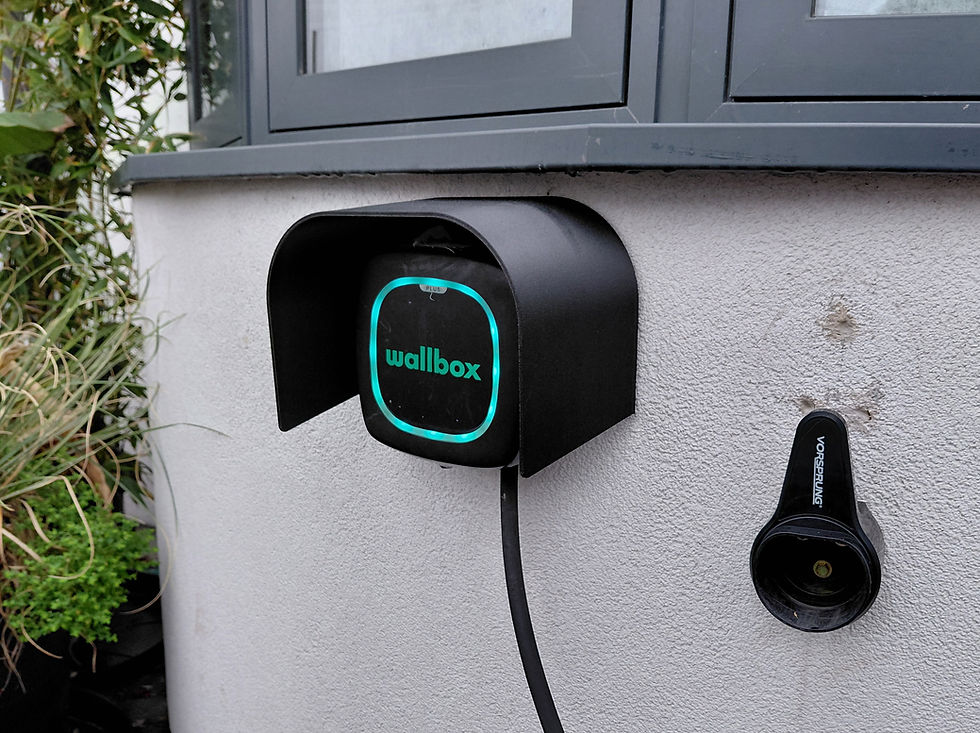
Home charger: Plugging in overnight at a wallbox gives you a full “tank” of electricity by morning.
Public chargers: Plenty of slow and rapid options around UK towns and cities make topping up easy when you need it.
Low operating cost: Electricity is cheap compared to petrol/diesel — great news if most driving is local.
Real World Value
At around £2,500 — with low road tax (£25), minimal fuel costs, and affordable servicing — the Leaf is one of the best value EVs on the market for commuters. Even with a 70-mile range, most city drivers won’t notice limits in daily life, and the savings quickly stack up.
Final Thoughts
The Nissan Leaf 24 kWh proves you don’t need to pay a fortune to drive electric. With sensible checks (especially using LeafSpy), you can buy with confidence and enjoy:
A cheap, efficient city commuter
Affordable running costs
A comfortable and practical EV experience
If your driving is mostly local and you want to switch to electric on a budget, the Leaf is hard to beat — and at £2,500 it’s truly a smart choice.
Comments